ESG Assessment
AI-powered analysis across 270+ indicators and 35+ themes. Automated scoring with confidence levels and materiality weighting for sector-specific ESG risks.
Valuelytics helps banks, investors, NGOs, media, and issuers assess ESG risks, benchmark performance, and verify disclosures with AI-powered analysis of 270+ indicators across 35+ ESG themes, backed by reported datasets dating to 2013.
Built for high-stakes ESG decisions across financing, investment, and disclosure workflows
AI-powered analysis across 270+ indicators and 35+ themes. Automated scoring with confidence levels and materiality weighting for sector-specific ESG risks.
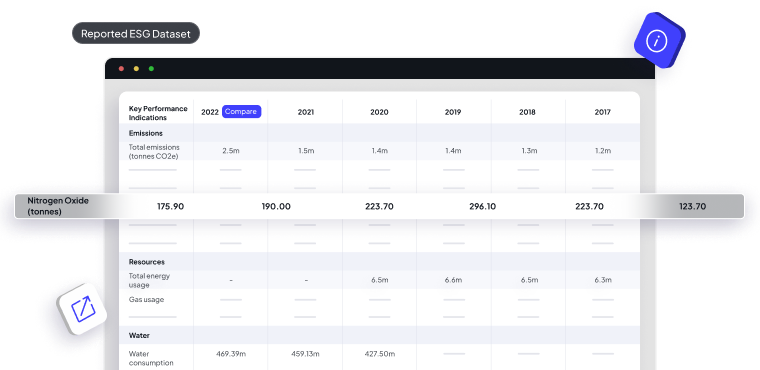
As-reported and derived ESG metrics dating to 2013. Machine-readable data extracted from sustainability reports, annual disclosures, and regulatory filings.
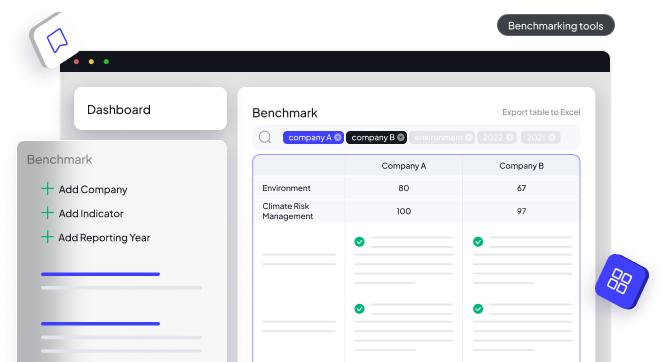
Peer and industry comparisons with sector-adjusted scoring. Build custom benchmark groups or compare against pre-configured industry cohorts.
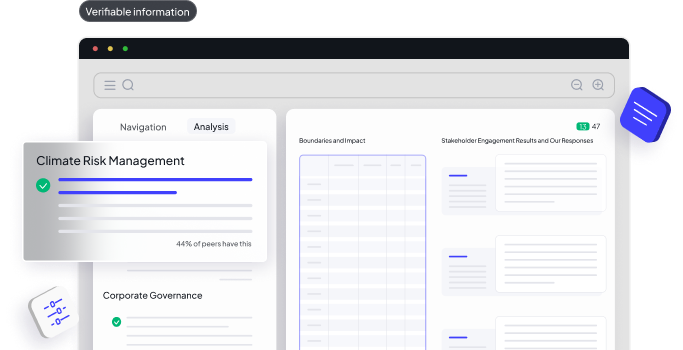
Every metric traced to source documents. Built-in document reader shows evidence context, calculation methodology, and reporting period for full auditability.
Unify fragmented ESG data and accelerate portfolio insight with sector-adjusted intelligence. Compare against custom peer groups or industry averages with drill-down to indicator-level evidence.
Consolidate fragmented disclosures into structured datasets
Portfolio-level ESG analysis in minutes, not weeks
Industry-contextualized scores and materiality weighting
Every ESG metric links directly to source documents. Built-in document reader lets analysts verify calculations, review reporting context, and audit evidence trails without switching systems.
Valuelytics organizes ESG assessment into Environment, Governance, and Social pillars so users can drill down from high-level themes into the indicators behind each score.
Valuelytics integrates with Wizpresso Diligence GRC platform to help issuers identify reporting gaps and benchmark disclosure quality against peers. Turn ESG assessment insights into actionable improvements.
Banks, NGOs, awards bodies, media organizations, and monitoring institutions rely on Valuelytics for verifiable ESG intelligence









How institutions use Valuelytics across financing, research, compliance, and disclosure workflows
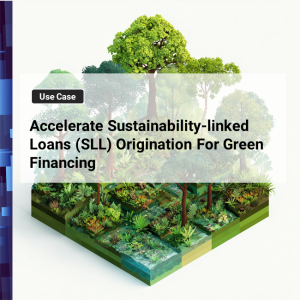
Hang Seng Bank (ESG) has collaborated with Wizpresso to leverage its Valuelytics platform for ESG financing assessment. Valuelyticss, underpinned by
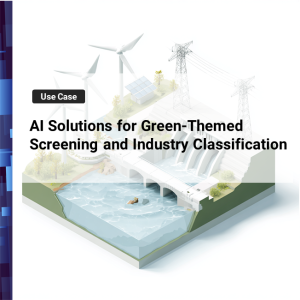
Sustainable investing is no longer just a niche strategy—it has become a defining pillar in institut

In capital markets, information drives investment performance. Equity research stands at the core of
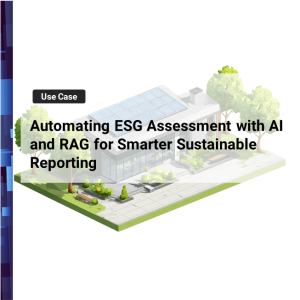
The global investment landscape has evolved, and environmental, social, and governance (ESG) performance is now central to corporate strategy and investor relations.
See how Valuelytics transforms ESG assessment workflows with a personalized demo from our team.