As artificial intelligence continues to reshape industries, organizations are increasingly challenged to move beyond experimentation toward scalable and responsible adoption. At Wizpresso, where we operate at the intersection of AI, regulatory intelligence, and governance, we have a front-row perspective on how institutions are navigating this transformation.
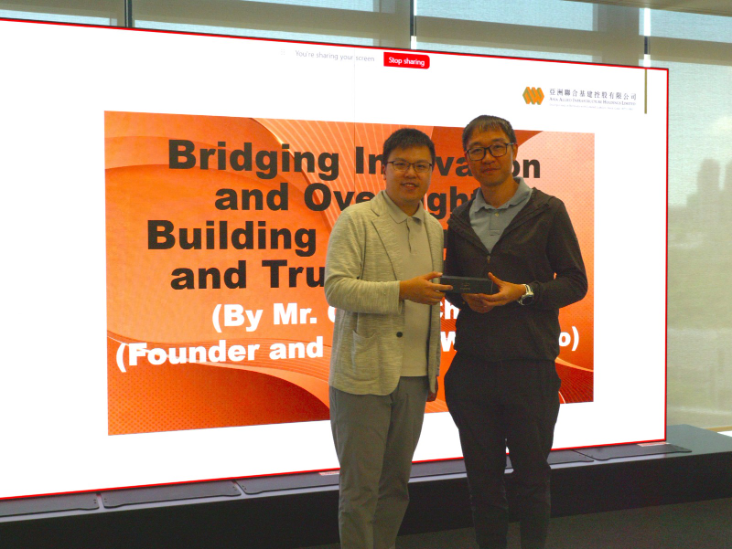
At the Asia Allied Infrastructure Holdings Limited’s Management Forum last Saturday, our CEO Calvin Cheng shared key insights from our joint study with The Hong Kong Chartered Governance Institute (HKCGI), focusing on AI maturity and governance readiness. The findings revealed a clear gap: while AI references are now widespread, structured governance, oversight, and lifecycle controls remain limited.
Our research shows that AI maturity is not defined by technological sophistication alone, but by how effectively AI is governed. Many organizations are still at an early stage, with limited visibility over AI use, weak accountability structures, and insufficient risk and incident management. As AI becomes more embedded in reporting, operations, and decision-making, these gaps can create operational, regulatory, and reputational risks.
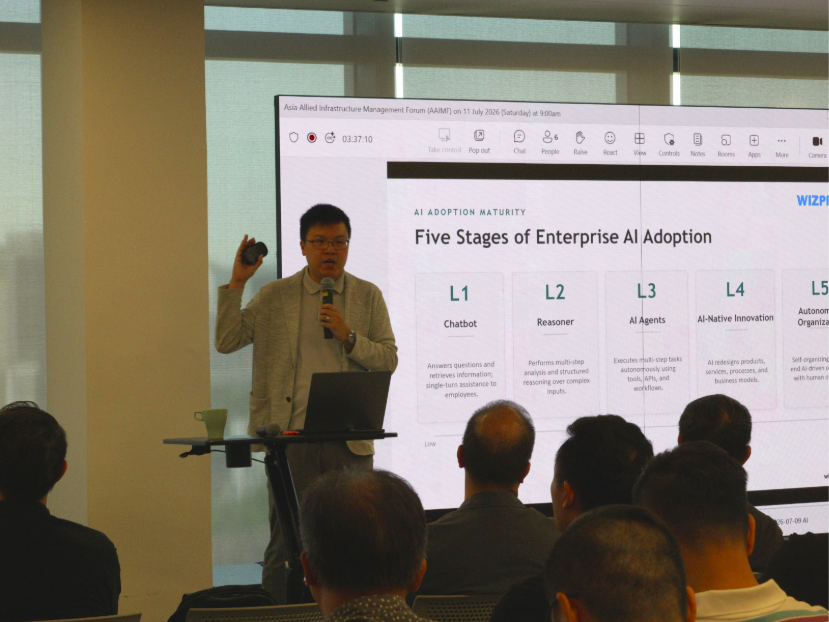
At Wizpresso, we believe governance is not a constraint, but a key enabler of sustainable AI adoption. As AI-related rules and expectations continue to evolve, organizations need to interpret and operationalize requirements in real time. This is also where tools like Diligence can add value by helping organizations organize governance processes, maintain clearer oversight, and support more consistent control across teams. Strong governance frameworks also depend on active board and executive involvement, cross-functional collaboration, and continuous education.