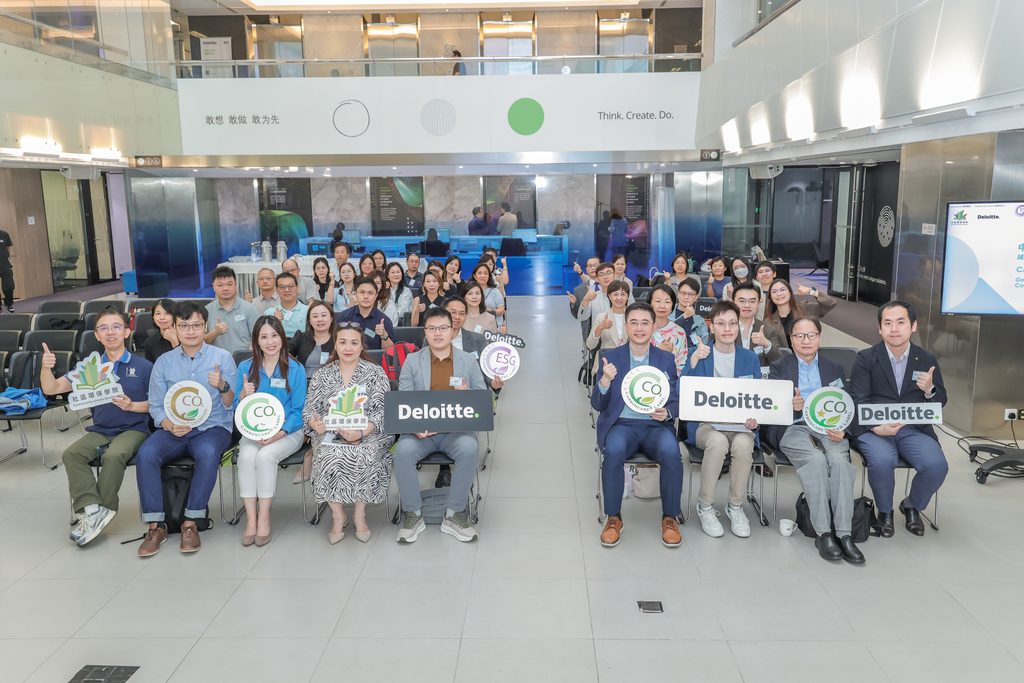
On 8 October 2026, Wizpresso joined business and community leaders at the “Capacity Building for SMEs and NGOs” seminar, hosted at Deloitte China in Hong Kong. The event brought together SMEs, NGOs and sustainability practitioners to exchange practical experiences in carbon management, ESG compliance, stakeholder engagement and responsible technology adoption.
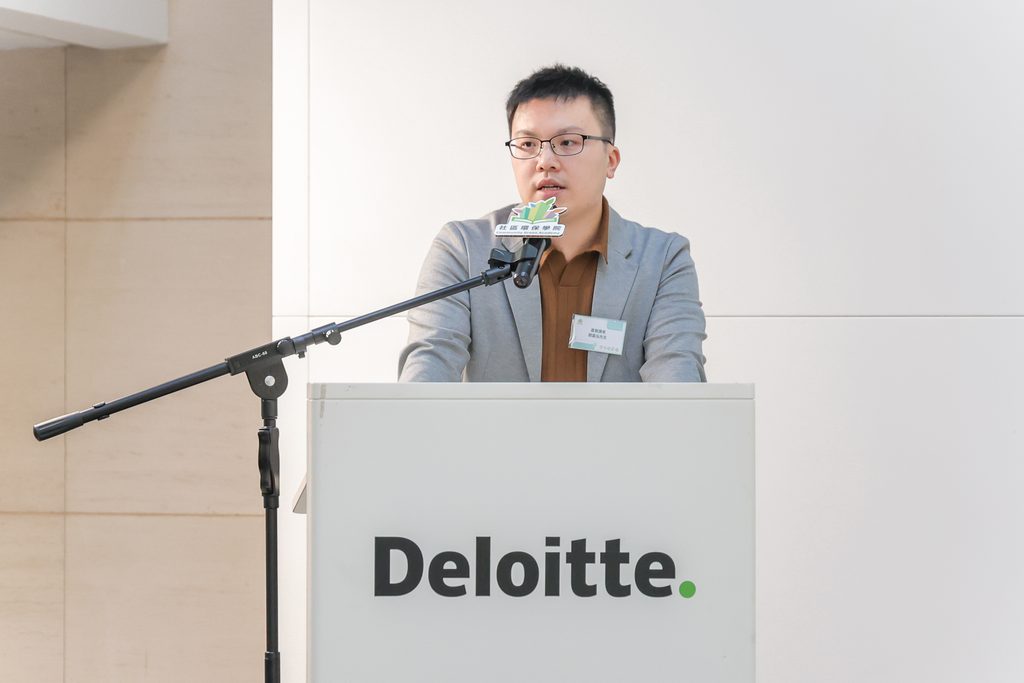
Speakers from Crown Gas (Group) Limited and The Hong Kong Federation of Youth Groups shared valuable perspectives on establishing fundamental carbon-management practices, building a sustainability-oriented brand, aligning internal stakeholders and communicating social value. The programme also introduced the CarbonCare® Label and provided an opportunity for participants to exchange experiences and ideas.
AI’s rapid acceleration
Wizpresso Founder and CEO Calvin Cheng spoke about the growing intersection between ESG, corporate governance and artificial intelligence. He highlighted recent trends in AI token consumption and the growth trajectories of AI-related revenues, company valuations and profitability—all of which point to the accelerating adoption and commercialisation of AI.
As AI becomes more capable and accessible, adoption is expanding rapidly across organisations of every size. AI is no longer used only by technology companies or specialist teams; it is increasingly embedded in research, customer service, compliance, reporting and everyday operational workflows.
A governance inflection point
Calvin emphasised that we have reached a critical point for AI governance. While AI can create significant productivity and innovation opportunities, systems that are not aligned with an organisation’s objectives, policies and risk appetite can introduce substantial operational, cybersecurity, legal and reputational risks.
The challenge is particularly important when employees adopt AI tools faster than organisations can establish visibility and oversight. Without clear ownership, approved use cases, data controls, human review and escalation procedures, organisations may struggle to explain how AI-supported decisions were made or demonstrate that appropriate safeguards were applied.
As adoption continues to accelerate, serious failures or widespread misalignment could also lead to closer regulatory scrutiny and a new wave of AI-specific requirements. Organisations should therefore view AI governance not as a barrier to innovation, but as the infrastructure required to scale AI safely and sustainably.
Research with HKCGI
Calvin also presented findings from Wizpresso’s latest research, co-published with The Hong Kong Chartered Governance Institute (HKCGI). The study, Bridging Innovation and Oversight: Five Governance Priorities—The State of AI Adoption and Governance amongst Hong Kong-listed Companies, analysed the latest annual and ESG disclosures of more than 2,500 HKEX-listed issuers.
The findings reveal a widening gap between AI ambition and governance readiness. Almost nine in ten issuers reference AI in their disclosures, yet fewer than 20% disclose a structured AI governance framework with defined responsibilities, policies and lifecycle controls.
The research identifies five priorities for organisations seeking to close this gap:
- Establish visibility over how and where AI is used.
- Assign clear senior accountability for AI governance.
- Integrate AI risks into enterprise risk management and internal controls.
- Preserve meaningful human oversight and decision accountability.
- Ensure external AI disclosures are balanced and supported by real governance practices.
These principles are relevant not only to listed companies, but also to SMEs and NGOs. Regardless of organisational size, responsible adoption begins with understanding existing AI usage, prioritising material risks, defining accountable owners and maintaining evidence that enables AI-supported outcomes to be reviewed and challenged.
Advancing responsible growth
Wizpresso believes that ESG and AI governance share a common foundation: sustainable growth requires transparency, accountability, measurable outcomes and the confidence of stakeholders. By embedding these principles into AI-enabled workflows from the outset, organisations can capture the benefits of innovation while strengthening operational resilience and public trust.
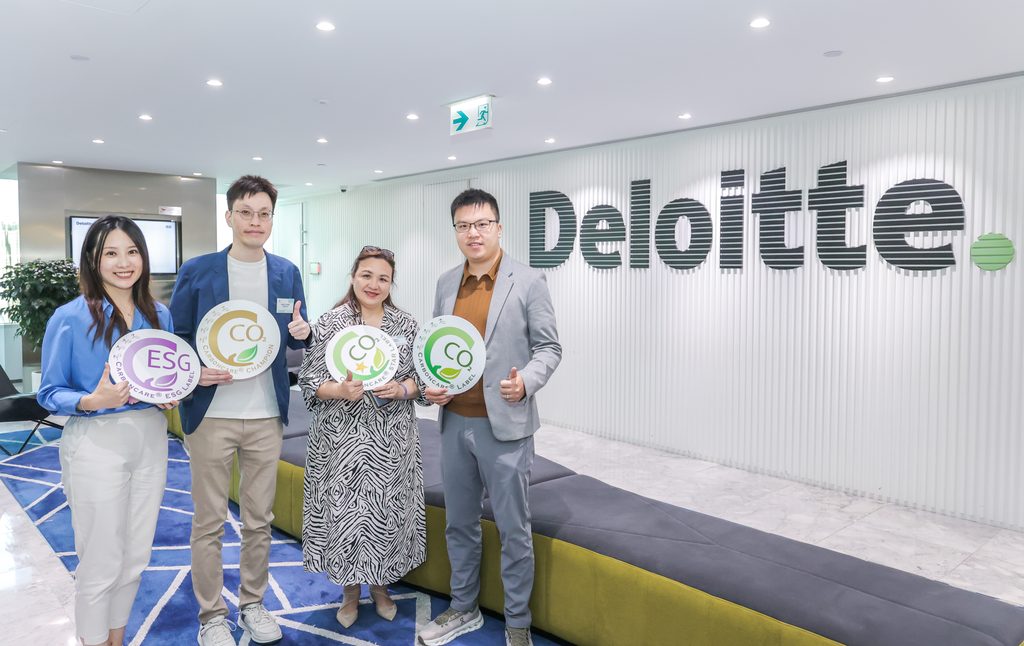
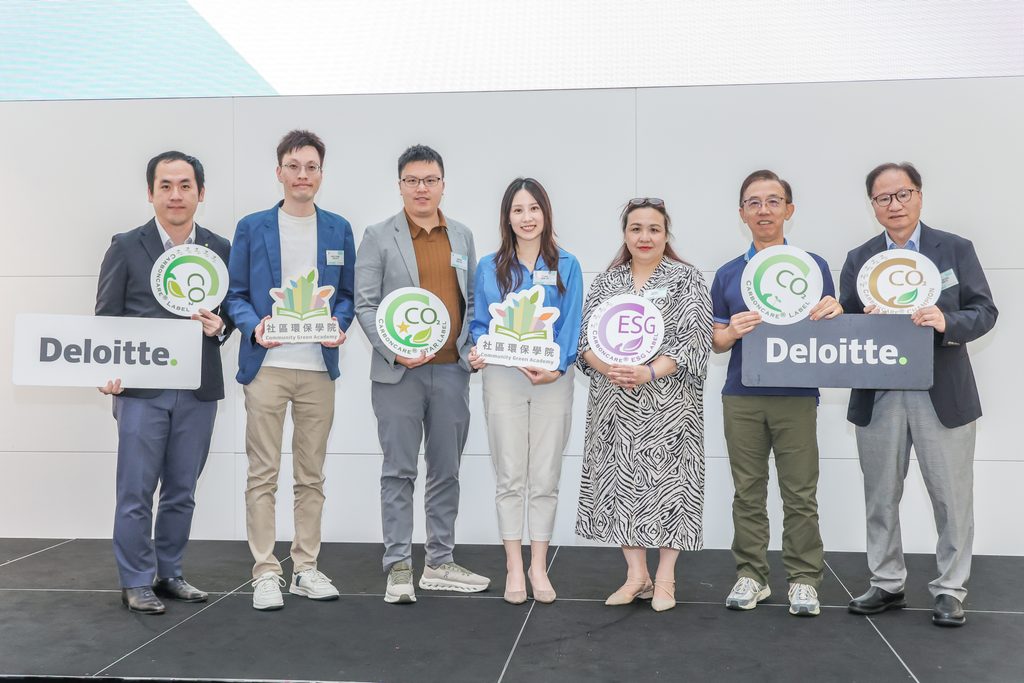
We sincerely thank Community Green Academy, the organisers and supporting organisations of the CarbonCare® Label seminar series, and Deloitte China for bringing together such a diverse group of speakers and participants. We were delighted to contribute to this timely conversation and to exchange practical ideas on building more sustainable, responsible and future-ready organisations.